
The Threat of Check Fraud
Check fraud remained a critical threat in 2025, with instances rising 11% despite declining check usage. Criminals are exploiting loopholes to target both individuals and organizations, with over $1 billion in check fraud caught by analysts in 2025. (The Federal Reserve)
Common Methods of Check Fraud
- Check fraud: Scammers steal or forge checks to make unauthorized transactions.
- Check washing: Fraudsters alter or wash legitimate checks with chemicals to erase the ink form a check to rewrite amounts and payees.
- Mail fraud: Deceiving others by sending or receiving fraudulent checks through the mail.
What are the Warning Signs?
- Unfamiliar checking account transactions appear on your bank statements.
- Your bank notifies you of unauthorized account activity.
- You receive calls from your bank about checks you didn't write or transactions you didn't make.
- Someone unsolicited contacts you with a request to deposit a check for any reason, especially to make money on a limited time offer of any kind.
- You receive a check in the mail related to employment as a mystery shopper, personal assistant, or for being the winner of a prize.
How to Avoid It
- Monitor your financial accounts regularly. Set up account alerts for all transactions and review your statements frequently for unauthorized charges or unusual and suspicious activity.
- Use black gel ink on checks. Black gel ink is highly resistant to check washing.
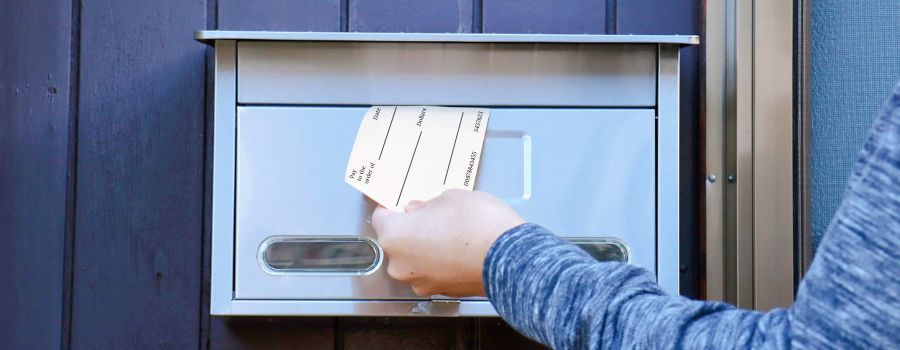
- Get mail promptly after delivery and avoid leaving mail in your mailbox overnight. When sending checks, consider using the letter slots in your post office to send mail.
- Be wary of sending money or any medium of payment to someone after taking a check from them for any reason. Scammers often claim overpayment or demand you send or wire money after giving you a bad check.
Ways to Report it
- Taking prompt and comprehensive action when faced with check fraud can help mitigate any potential damage and ensure the fraudulent charges are resolved effectively.
- Notify your financial institution. Dispute any unauthorized charges.
- Report the fraud to the Federal Trade Commission. Visit https://www.identitytheft.gov/ to report the theft and create a recovery plan.
- Report the fraud to US Postal Inspection Service for mail-related scams. https://www.uspis.gov/Inform your local law enforcement.
Contact SFB Customer Service at 888.254.0615 if you believe your financial information may be compromised.
SFB Tools to Help You Stay Protected
SFB offers tools designed to help reduce fraud risk, including Online Bill Pay in our app, sending money with Zelle®, and Positive Pay services for businesses. Call us to learn more or visit our website for details.